
What’s New at Epsilon
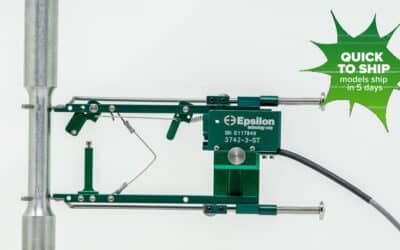
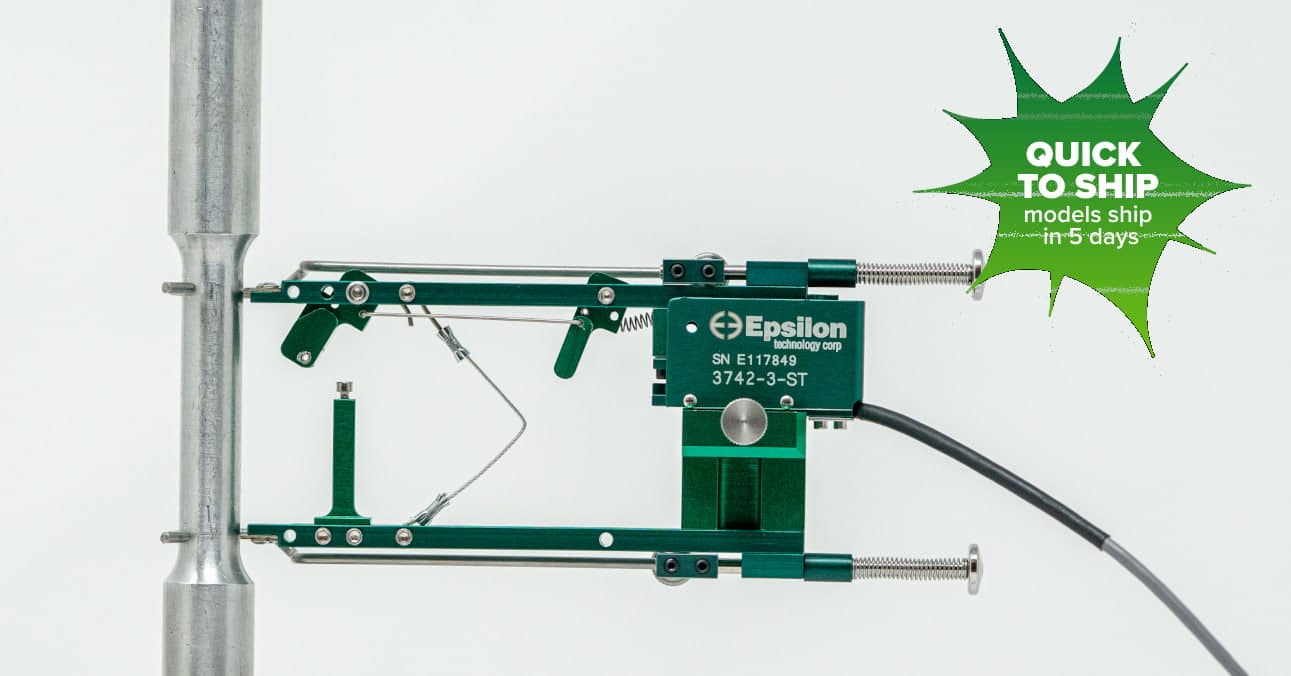
Quick To Ship Program – Selected Models Ship in 5 Days
Sometimes a new extensometer is needed right away, and in response Epsilon offers the Quick to Ship program. Popular model 3742 configurations can ship in 5 business days with whatever connector is needed for the customer’s testing machine.
Multi-Gauge Length Extensometer Improves Productivity
The new Model 3742 extensometer helps materials testing labs operate more efficiently. One Model 3742 can have multiple gauge lengths – the Quick Swap system enables changing gauge lengths in seconds, without tools. Model 3742 also sets the gauge length...
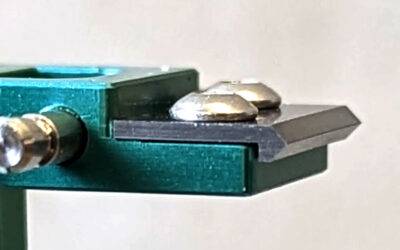
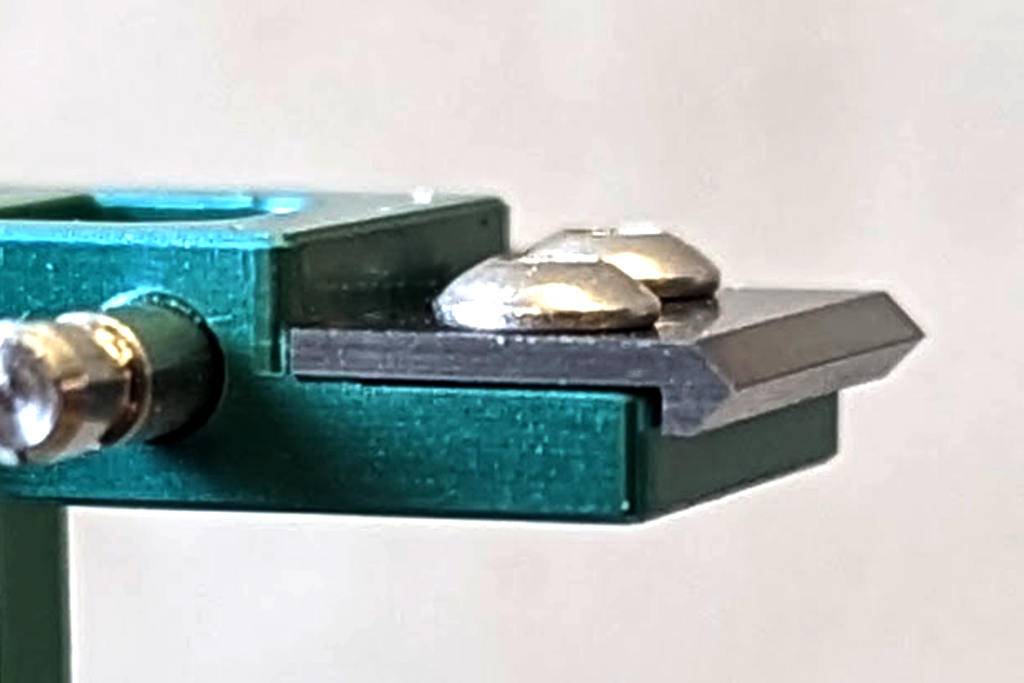
Wear-Resistant Carbide Knife Edges
Designed as an alternative for customers who experience slipping or accelerated wear of the standard knife edges when testing hard materials, these ultra-hard, dual-bevel knife edges will retain a sharp edge and last much longer. They are extremely sharp and...
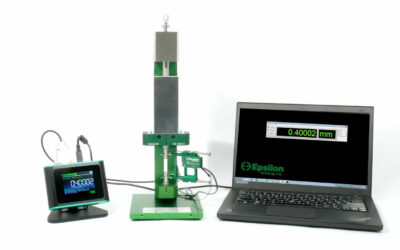
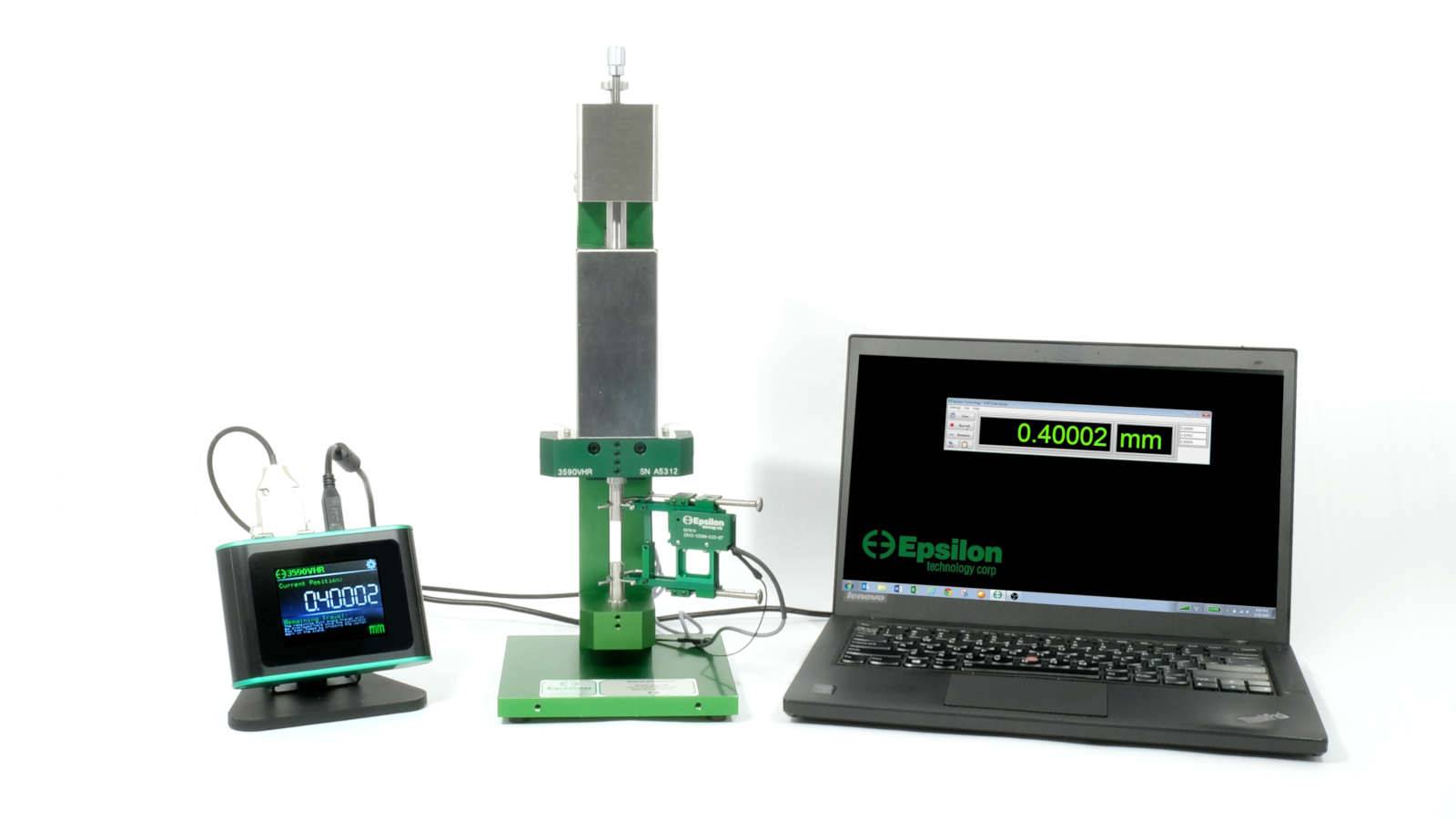
Improved Extensometer Calibrator Accuracy Specification
Epsilon has implemented process improvements yielding a vastly improved, traceable accuracy specification for 3590VHR calibrators. The new specification is up to 16x more accurate, which gives customers more confidence in their verification results. This may...
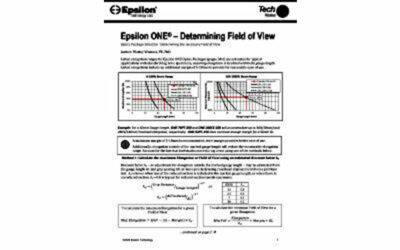
Extensometer Knowledge Center
Extensometers for materials testingExtensometer Knowledge CenterExtensometer Tech Notes General Topics Calibration & Verification Thermal Effects & Non-Ambient Testing Optimizing Test Results & Data Quality Model-Specific Tech Notes Tech Notes page →...
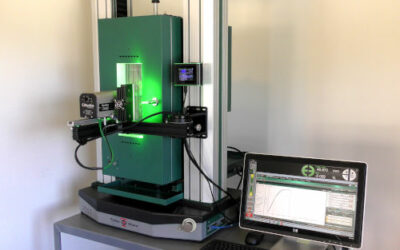
Non-Contacting Extensometers for Environmental Chambers and High-Elongations
Epsilon introduces two additional non-contact extensometers, Epsilon ONE-250CE and Epsilon ONE-500CE, optimized for the following applications: Environmental chambers Elastomers, rubber, high-extension plastics Rebar
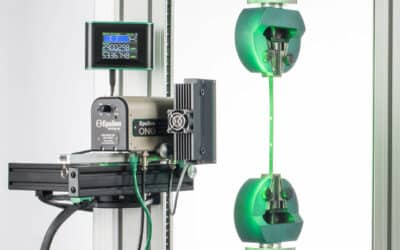
Optical Non-Contacting Extensometers Offer Sub-Micron Precision
Epsilon ONE® high-precision optical extensometers measure axial strain with industry-leading resolution, accuracy, and speed. Innovative Instant Reset, Always On and Laser Alignment features maximize performance and increase testing throughput. Why Non-Contact:...
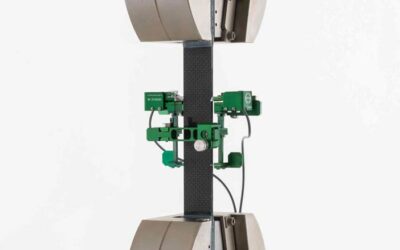
Averaging Axial Extensometers
This all-purpose averaging axial extensometer is used in tension or compression to measure Young’s modulus, offset yield, and strain to failure. It is compact and lightweight. Gauge length is set automatically for fast specimen mounting. May be left on through...
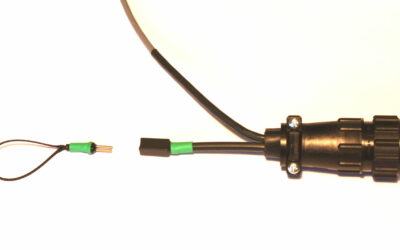
Shunt Calibration System
The Epsilon Shunt Calibration System is available for any strain-gaged extensometer. The Epsilon Shunt Calibration System provides an easy way to calibrate an extensometer and signal conditioning electronics without using a mechanical calibrator. Shunt calibration...
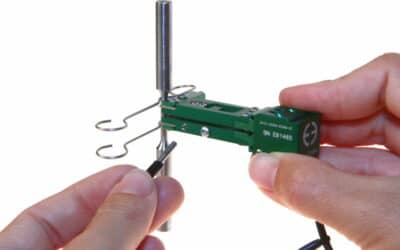
Better Accuracy When Testing Small and Delicate Specimens
Getting more accurate and repeatable test results at short gauge lengths is now easier due to key design updates in the Model 3442 extensometer. Gauge length is now set using a precision pin, significantly improving gauge length accuracy and repeatability when...